epyollotli (FCbk11f206r)
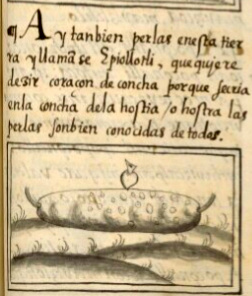
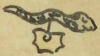
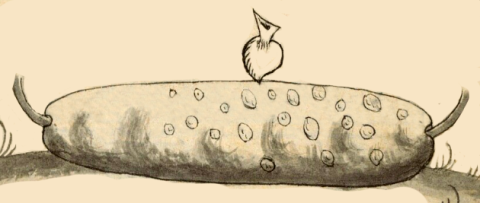
This iconographic example, featuring a pearl (epyollotli), is included in this digital collection for the purpose of making comparisons with related hieroglyphs. The term selected for this example comes from the text near the image in the Digital Florentine Codex. There is no gloss, per se. This example shows a wide, horizontal pearl that has been strung, but the tie is not visible. Little circles spread across much of the gem. Sitting on top of the gem is a hieroglyphic element of a heart, which is there to be sure that the reading includes “yollotl” or “yollotli.” The text explains that this name is given to the pearl because it is round. The ep- start to the term for pearl is short for eptli, oyster, and the text explains this part of the name for the pearl, saying that it looks like the oyster (presumably, speaking of the interior of the shell). On folio 206 verso there is an image of a Nahua man wearing strung pearls in bracelet and necklace forms. He wears both the tilmatli (or tilmahtli) cloak and European-style clothing that was drawn with shading (three-dimensionality). On his strings of pearls, they are spaced relatively far apart compared to modern necklaces.
Stephanie Wood
One might consider this more than an iconographic example and read it as a compound hieroglyph. Certainly, it demonstrates an impact on the illustration that hieroglyphic writing continued to make at the time of the creation of this manuscript in the last third of the sixteenth century. This is the first pearl to enter this collection (as of December 2025). The collection does contain, however, an oyster hieroglyph and one oyster shell that is an element of a compound hieroglyph.
Stephanie Wood
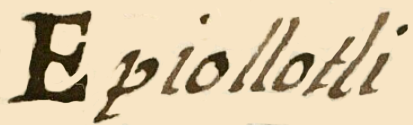
epiollotli
epyollotli
Stephanie Wood
1577
Jeff Haskett-Wood
ostra, ostras, ostión, ostiones, joya, joyas, piedra, piedras, perlas ensartadas, ensartada, corazón, corazones, gem, gems
epyollo(tli), a pearl, https://nahuatl.wired-humanities.org/content/epyollotli
la perla
Stephanie Wood
Available at Digital Florentine Codex/Códice Florentino Digital, edited by Kim N. Richter and Alicia Maria Houtrouw, "Book 11: Earthly Things", fol. 206r, Getty Research Institute, 2023. https://florentinecodex.getty.edu/en/book/11/folio/206r/images/0 Accessed 16 November 2025.
Images of the digitized Florentine Codex are made available under the following Creative Commons license: CC BY-NC-ND (Attribution-NonCommercial-NoDerivs 4.0 International). For print-publication quality photos, please contact the Biblioteca Medicea Laurenziana ([email protected]). The Library of Congress has also published this manuscript, using the images of the World Digital Library copy. “The Library of Congress is unaware of any copyright or other restrictions in the World Digital Library Collection. Absent any such restrictions, these materials are free to use and reuse.”