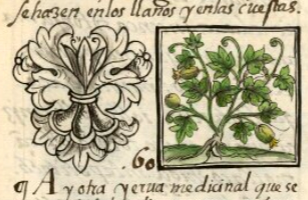
tlatlalayotli (FCbk11f149v)
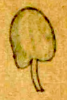
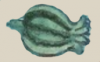
This iconographic example, featuring a medicinal plant (tlatlalayotli or tlatlalayohtli, with the glottal stop), is included in this digital collection for the purpose of making comparisons with related hieroglyphs. The term selected for this example comes from the text near the image in the Digital Florentine Codex. There is no gloss, per se. This example shows a green, leafy plant with curling tendrils and three pieces of fruit that look like squash or gourds (ayotli, or ayohtli). Two of them have yellow blossoms. The fruits are shaded, giving them a three-dimensionality, which suggests European artistic influence The exposed roots are gray and white. The nearby Nahuatl text explains that this plant creeps along the ground, something like [and Anderson and Dibble insert: the ayotli]. The text also explains how it has medicinal values.
Stephanie Wood
The tlatlalayotli does not yet appear as a Nahuatl hieroglyph in this collection (as of November 2025), but the ayotli does, along with an apparent variant called tzilacayotl. See below.
Stephanie Wood
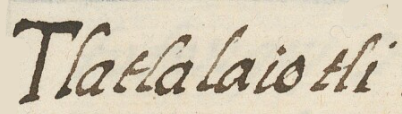
Tlatlalaiotli
tlatlalayotli
Stephanie Wood
1577
Jeff Haskett-Wood
calabazas, tierra, tierras, plantas, medicina, salud
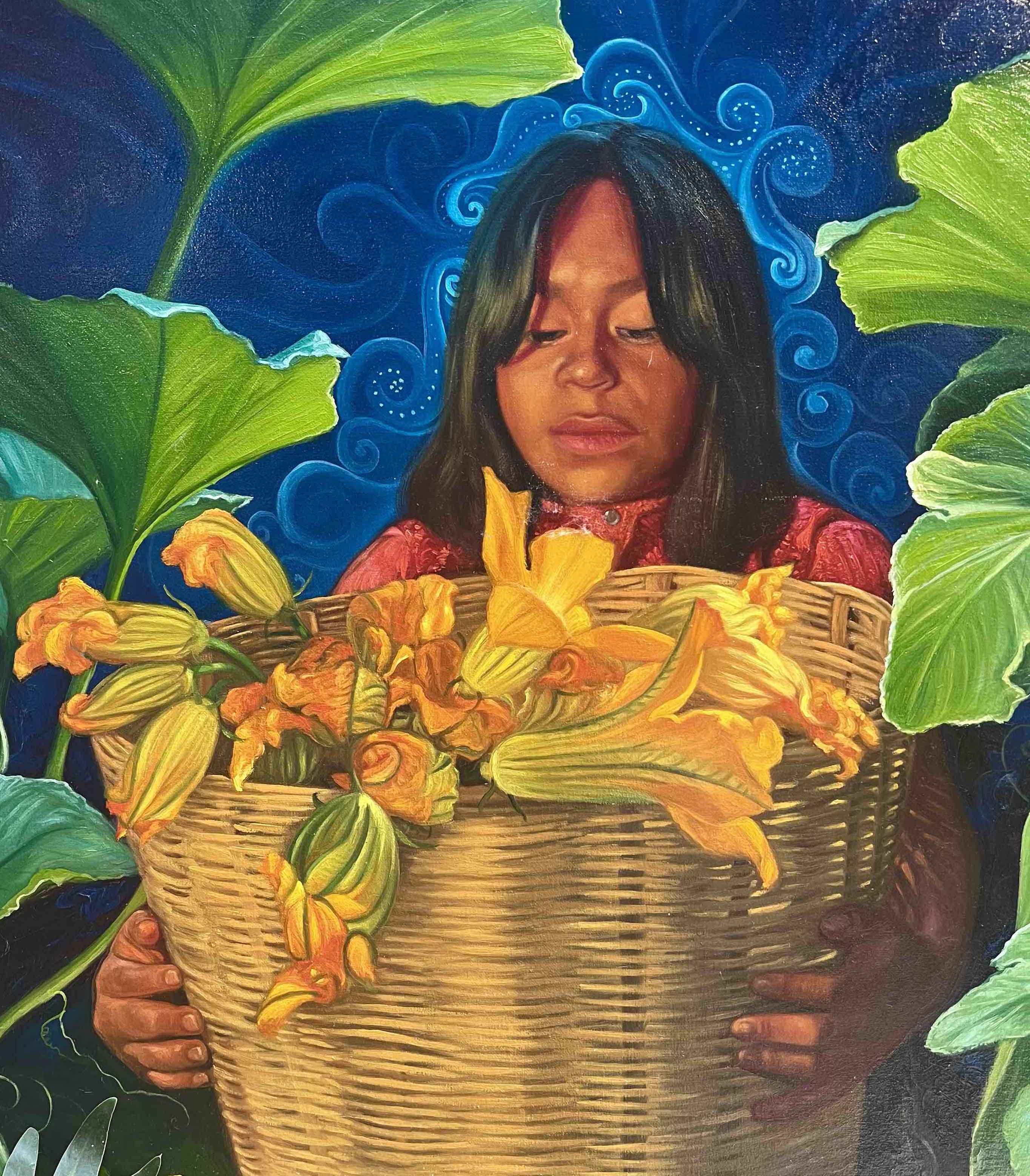
This painting in the art museum in Ajijic, Jalisco, shows yellow squash blossoms that have been harvested by a girl. Photo by S. Wood, 17 June 2025.
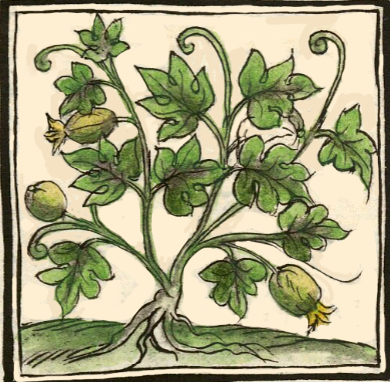
tlatlalayo(tli), a medicinal plant, https://nahuatl.wired-humanities.org/content/tlatlalayotli
una planta medicinal que parece calabaza
Stephanie Wood
Available at Digital Florentine Codex/Códice Florentino Digital, edited by Kim N. Richter and Alicia Maria Houtrouw, "Book 11: Earthly Things", fol. 149v, Getty Research Institute, 2023. https://florentinecodex.getty.edu/en/book/11/folio/149v/images/0 Accessed 16 November 2025.
Images of the digitized Florentine Codex are made available under the following Creative Commons license: CC BY-NC-ND (Attribution-NonCommercial-NoDerivs 4.0 International). For print-publication quality photos, please contact the Biblioteca Medicea Laurenziana ([email protected]). The Library of Congress has also published this manuscript, using the images of the World Digital Library copy. “The Library of Congress is unaware of any copyright or other restrictions in the World Digital Library Collection. Absent any such restrictions, these materials are free to use and reuse.”