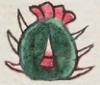
naranja (Osu12v)
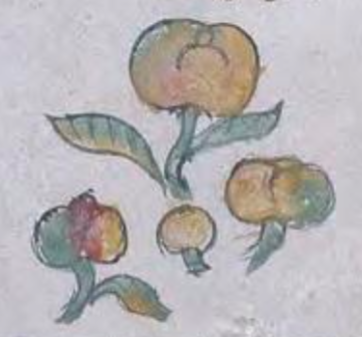
This painting from the Codex Osuna, folio 12 verso (or Image 27), shows a group of oranges with some leaves. This fruit was the source of a dispute between the spouse of a Spanish official and a Nahua topile (constable of the Indigenous community), named Miguel Chichimecatl. She either beat him or killed him (the verb is mictia) over some defect in the oranges.
Stephanie Wood
Esta pintura proveniente del reverso del folio 12 (imagen 27) del Códice Osuna nos muestra un conjunto de naranjas con algunas hojas que fueron la razón de una disputa entre la esposa de un funcionario español y un topile (alguacil, según Alonso de Molina: véase https://nahuatl.wired-humanities.org/content/topile) llamado Miguel Chichimecatl: la mujer lo apaleó o mató (mictia) debido a alguna imperfección de las naranjas.
As of June 2024, this is the first example in this collection of an orange painted by a tlacuilo. We include it here as an example of iconography with the purpose of providing for future comparisons with glyphs. There are glyphs of other fruits (see below).
Stephanie Wood
A fecha de junio de 2024, este es el primer ejemplo en nuestra colección pintado por un tlacuilo que represente naranjas: lo incluimos como un ejemplo iconográfico para poder compararlo con otros jeroglíficos en el futuro, aunque ya contamos con glifos de otras frutas (véase más abajo).
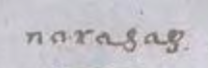
1551–1565
Jeff Haskett-Wood
naranjas, frutas, hojas, conflictos, topiles, mal trato, mujeres, españoles, crimen, castigo
naranja xocotl, an orange (partly a loanword from Spanish), https://nahuatl.wired-humanities.org/content/naranja-xocotl
la naranja
Stephanie Wood
Library of Congress Online Catalog and the World Digital Library, Osuna Codex, or Painting of the Governor, Mayors, and Rulers of Mexico (Pintura del Gobernador, Alcaldes y Regidores de México), https://www.loc.gov/resource/gdcwdl.wdl_07324/. The original is located in the Biblioteca Nacional de España.
"The Library of Congress is unaware of any copyright or other restrictions in the World Digital Library Collection. Absent any such restrictions, these materials are free to use and reuse." But please cite the Biblioteca Nacional de España and this Visual Lexicon of Aztec Hieroglyphs if you use any of these images here or refer to the content on this page, providing the URL.