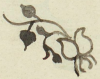
camotli (FCbk11f128r)
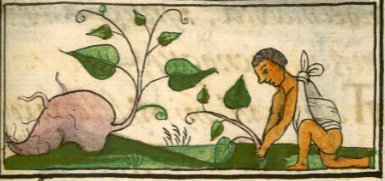
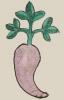
This iconographic example, featuring a sweet potato (camotli, or camohtli, with the glottal stop), is included in this digital collection for the purpose of making comparisons with related hieroglyphs. The term selected for this example comes from the text near the image in the Digital Florentine Codex. There is no gloss, per se. This example shows a horizontal view of a light purple sweet potato. It has a vertical spray of green leaves and stems. The contextualizing image shows a profile view of a Nahua man wearing a loincloth (maxtlatl) and a cloak (tilmatli or tilmahtli) cultivating this plant. He is facing the viewer’s left. The landscape setting suggests European artistic influences.
Stephanie Wood
Esta imagen iconográfica, que muestra un camote (camotli o camohtli, si se escribe como oclusiva glotal) se incorpora a esta colección digital con el objetivo de servir como punto de comparación con jeroglíficos afines. El término seleccionado para esta imagen proviene del texto que se encuentra cerca de la imagen en el Códice Florentino Digital. No existe una glosa propiamente dicha. Esta imagen muestra la vista lateral de un camote morado claro. Presenta un brote vertical con hojas y tallos verdes. La imagen contextual muestra el perfil de un hombre nahua que cultiva esta planta y porta un taparrabos (maxtlatl) y una manta (tilmatli o tilmahtli). El hombre aparece de perfil mirando hacia la izquierda del espectador. La disposición de la huerta sugiere una influencia artística europea.
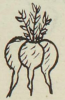
The camotli is called camote in Mexican Spanish today. It is a popular food item. The example from the Codex Mendoza that is included in this collection was mistaken as a cimatl, and the town for which it stands was mistakenly glossed as Cimatlan. Cimatl is a root vegetable that is much more common in this collection than the camotli, perhaps because Cima was a very popular man’s name. A few examples appear below.
Stephanie Wood
En el español actual de México, el camotli se denomina «camote». Es un alimento de uso común. La imagen del Códice Mendocino que se incluye en esta colección fue interpretada erróneamente como cimatl y el pueblo al que alude, fue glosado erróneamente como «Cimatlan». El cimatl es un tubérculo mucho más frecuente en esta colección que camotli, posiblemente porque Cima era un nombre masculino muy utilizado. Al final de esta página se muestran algunas imágenes.
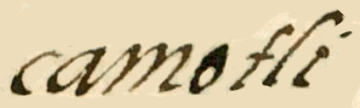
camotli
Stephanie Wood
1577
Jeff Haskett-Wood
tuber, tubérculo, sweet potatoes, camotes
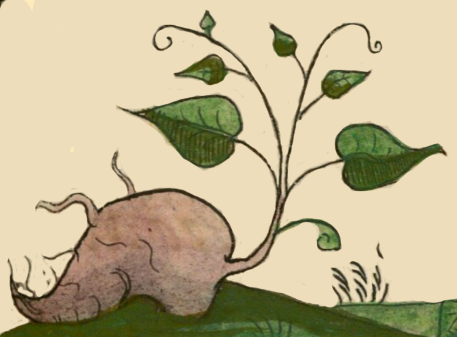
camo(tli), a sweet potato, https://nahuatl.wired-humanities.org/content/camotli
el camote
Stephanie Wood
Available at Digital Florentine Codex/Códice Florentino Digital, edited by Kim N. Richter and Alicia Maria Houtrouw, "Book 11: Earthly Things", fol. 128r, Getty Research Institute, 2023. https://florentinecodex.getty.edu/en/book/11/folio/128r/images/0 Accessed 16 October 2025.
Images of the digitized Florentine Codex are made available under the following Creative Commons license: CC BY-NC-ND (Attribution-NonCommercial-NoDerivs 4.0 International). For print-publication quality photos, please contact the Biblioteca Medicea Laurenziana ([email protected]). The Library of Congress has also published this manuscript, using the images of the World Digital Library copy. “The Library of Congress is unaware of any copyright or other restrictions in the World Digital Library Collection. Absent any such restrictions, these materials are free to use and reuse.”