xochitl (TK212r)
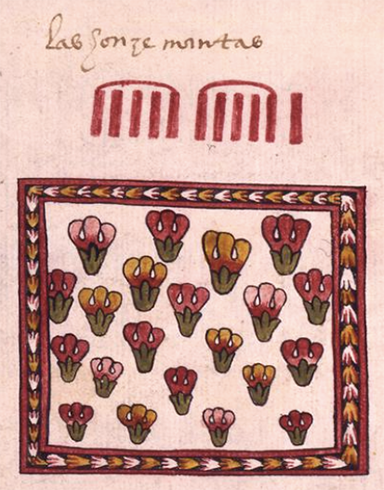
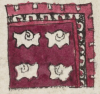
This painted example of iconography features an elaborate cloak covered with a design of flowers (xochitl) in many colors. Each flower has three rounded petals and a tripartite green base and stem. Each flower has one color for all its petals. The colors of the flowers alternate. There are twenty-one flowers showing in all. The background for the flowers is white. The cloth has a border filled with a smaller version of similarly shaped flowers, alternating gold and white, and omitting the stems.
Stephanie Wood
The contextualizing image shows the notation of eleven above the cloth. This consists of two arching lines with three vertical short lines inside each one, resulting in two groups of five vertical lines, plus one additional line, for a total of eleven The gloss is above the notation. The demand was for eleven of these elaborately decorated cloths, which were called mantas in Spanish, and therefore likely tilmatli in Nahuatl. There is little doubt that the design could be called flower (xochitl) in Nahuatl, even though there is no gloss for the design itself.
This manuscript was produced as part of the community’s resistance to the unreasonable taxation being demanded vis-a-vis the size of the community, especially as the population was declining as a result of diseases inadvertently brought over from Europe.
Side Note: The folio numbers are not always clear in the copy published online by the British Museum. Marc Thouvenot gives this page the number K10_A in his TLACHIA digital collection, https://tlachia.iib.unam.mx/tepetlaoztoc/K10_A.
Stephanie Wood
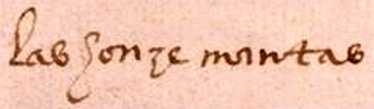
las honze mantas
las once mantas
Stephanie Wood
c. 1556
Jeff Haskett-Wood
flores tela, telas, capa, capas, manto, mantos, tributo, tributos, colonialismo, resistencia
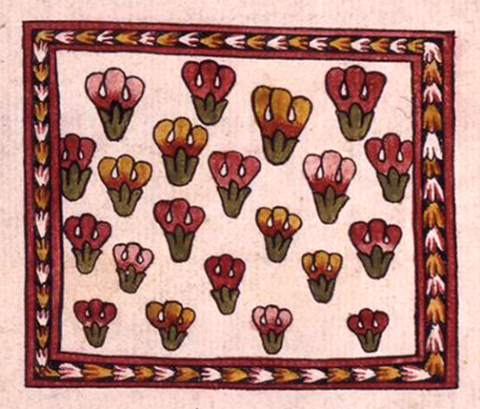
xoch(itl), flower, https://nahuatl.wired-humanities.org/content/xochitl
la flor
Stephanie Wood
The Codex Kingsborough, also known as the Códice de Tepetlaoztoc, and the Memorial de los indios de Tepetlaoztoc, is not on display. It was transferred from the British Library and is now held by the British Museum. It is shared on line at: https://www.britishmuseum.org/collection/object/E_Am2006-Drg-13964
©The Trustees of the British Museum. Shared under a Creative Commons Attribution-Non-Commercial-ShareAlike 4.0 International (CC BY-NC-SA 4.0) license. Please also cite the <em>Visual Lexicon of Aztec Hieroglyphsem>, ed. Stephanie Wood (Eugene, Ore.: Wired Humanities Projects, 2020-present) and this URL.