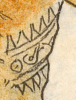
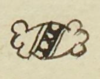
itzcoacalli (FCbk11f241r)
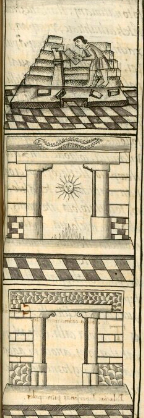
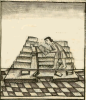
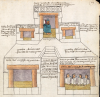
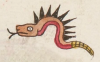
This iconographic example, featuring a black and white sketch of an obsidian serpent palace (itzcoacalli), is included in this digital collection for the purpose of making comparisons with related hieroglyphs. The term selected for this example comes from the text near the image in the Digital Florentine Codex. There is no gloss, per se. This example shows a frontal view of a tecpancalli with the special attributes of the “obsidian serpent.” The foreground has alternating dark and light paving stones. The entrance is framed with round columns. Above the (wooden?) lintel is a carving of an undulating serpent in profile, facing left. The serpent is covered with small, pointed, obsidian blades. Inside the doorway is a sun with a face and many short rays. On the floor of the entryway are a number of upright objects that look like feathers. The text states that this building was painted red, it was striped, and it was constantly shining.
Stephanie Wood
Itzcoatl was the name of one of the most important rulers of the Mexica, and one who joined in forming the powerful Triple Alliance in the fifteenth century. But the name was also taken up by less illustrious figures, too, as seen in our Online Nahuatl Dictionary. The obsidian serpent may have been a mythical figure and could have had religious associations. A close study of the visual representations of itzcoatl in Nahuatl hieroglyphs and iconographic examples might help deepen the understanding of the nature of the serpent. A Quick Search of “itzcoatl” will bring forward many examples. Two of these have a relationship to glyphs for Tetlacuilol and tlacuilolli, which may refer to a special stone carving design.
Stephanie Wood
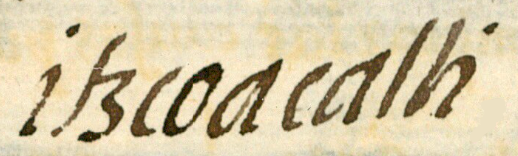
itzcoacalli
Stephanie Wood
1577
Jeff Haskett-Wood
palacios, serpientes, columnas, sol, soles, brillar
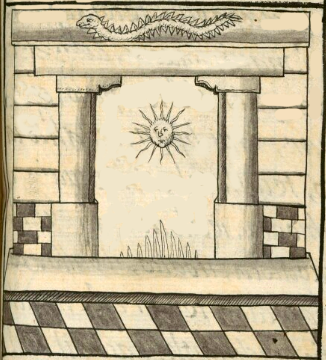
itzcoacal(li), obsidian serpent palace, https://nahuatl.wired-humanities.org/content/itzcoacalli
el palacio de la serpiente de obsidiana
Stephanie Wood
Available at Digital Florentine Codex/Códice Florentino Digital, edited by Kim N. Richter and Alicia Maria Houtrouw, "Book 11: Earthly Things", fol. 241r, Getty Research Institute, 2023. https://florentinecodex.getty.edu/en/book/11/folio/241r/images/0 Accessed 16 November 2025.
Images of the digitized Florentine Codex are made available under the following Creative Commons license: CC BY-NC-ND (Attribution-NonCommercial-NoDerivs 4.0 International). For print-publication quality photos, please contact the Biblioteca Medicea Laurenziana ([email protected]). The Library of Congress has also published this manuscript, using the images of the World Digital Library copy. “The Library of Congress is unaware of any copyright or other restrictions in the World Digital Library Collection. Absent any such restrictions, these materials are free to use and reuse.”