Xocoyol (Mdz2r)
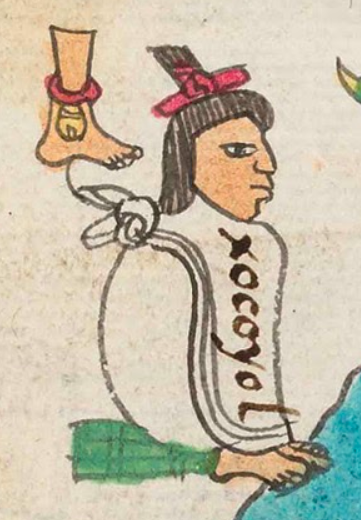
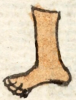
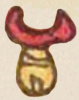
This compound glyph for the personal name Xocoyol (probably "Sorrel") includes two phonetic elements, a foot (xo) and a bell (coyolli) tied with a red leather thong around the ankle. The partial leg and foot are painted a light terracotta color. The bell is yellow. Xocoyol was the name of a famous Mexica.
Stephanie Wood
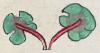
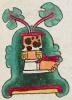
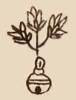
These elements are just phonetic indicators for the plant, xocoyolli, something that was and still is a part of the Nahua diet (see below). According to ethnobotanist Richard Tan, xocoyoles (as the term has been Hispanized) are "a large class of plants with a characteristic sourness, used to flavor dishes," although they can also be enjoyed by just munching on the leaves when one is out in the field. He says they are also referred to in Spanish as "agritos," because of their sour taste, and xococ means sour in Nahuatl. He adds that "Many Begonia species are xocoyoles, but many edible Oxalis species are, too." (Personal communication 9 March 2022.) This glyph is a perfect example of how, if readers did not know Nahuatl, they would come away with completely the wrong reading of this compound, assuming that it perhaps had something to do with dance.
Stephanie Wood

xocoyol
Xocoyol
Stephanie Wood
by 1553 at the latest
bells, cascabeles, campanillas, campanas, pinjantes, metales, foot, feet, pies, nombres de hombres, cascabel, fonetismo, men's names

xo-, having to do with feet, akin to ped- in pedestrian, https://nahuatl.wired-humanities.org/content/xo
coyol(li), a leg bell for dancing, https://nahuatl.wired-humanities.org/content/coyolli
xocoyol(li), sorrel, an herb, https://nahuatl.wired-humanities.org/content/xocoyolli
xococ, something sour, https://nahuatl.wired-humanities.org/content/xococ
Codex Mendoza, folio 2 recto, https://codicemendoza.inah.gob.mx/inicio.php?lang=english
Original manuscript is held by the Bodleian Libraries, University of Oxford, MS. Arch. Selden. A. 1; used here with the UK Creative Commons, “Attribution-NonCommercial-ShareAlike 3.0 License” (CC-BY-NC-SA 3.0)