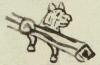
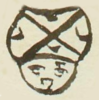
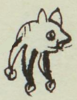
miztli (MH486r)
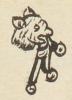
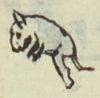
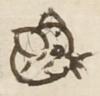
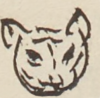
This black and white drawing of the element showing the head of a cougar (miztli) has been carved from the compound glyph for the personal name Amiztlato (see below). The animal's head is shown in profile facing to the viewer's right. Its eye and mouth are both open. Its coat is textured.
Stephanie Wood
1560
Jose Aguayo-Barragan
pumas, mountain lions
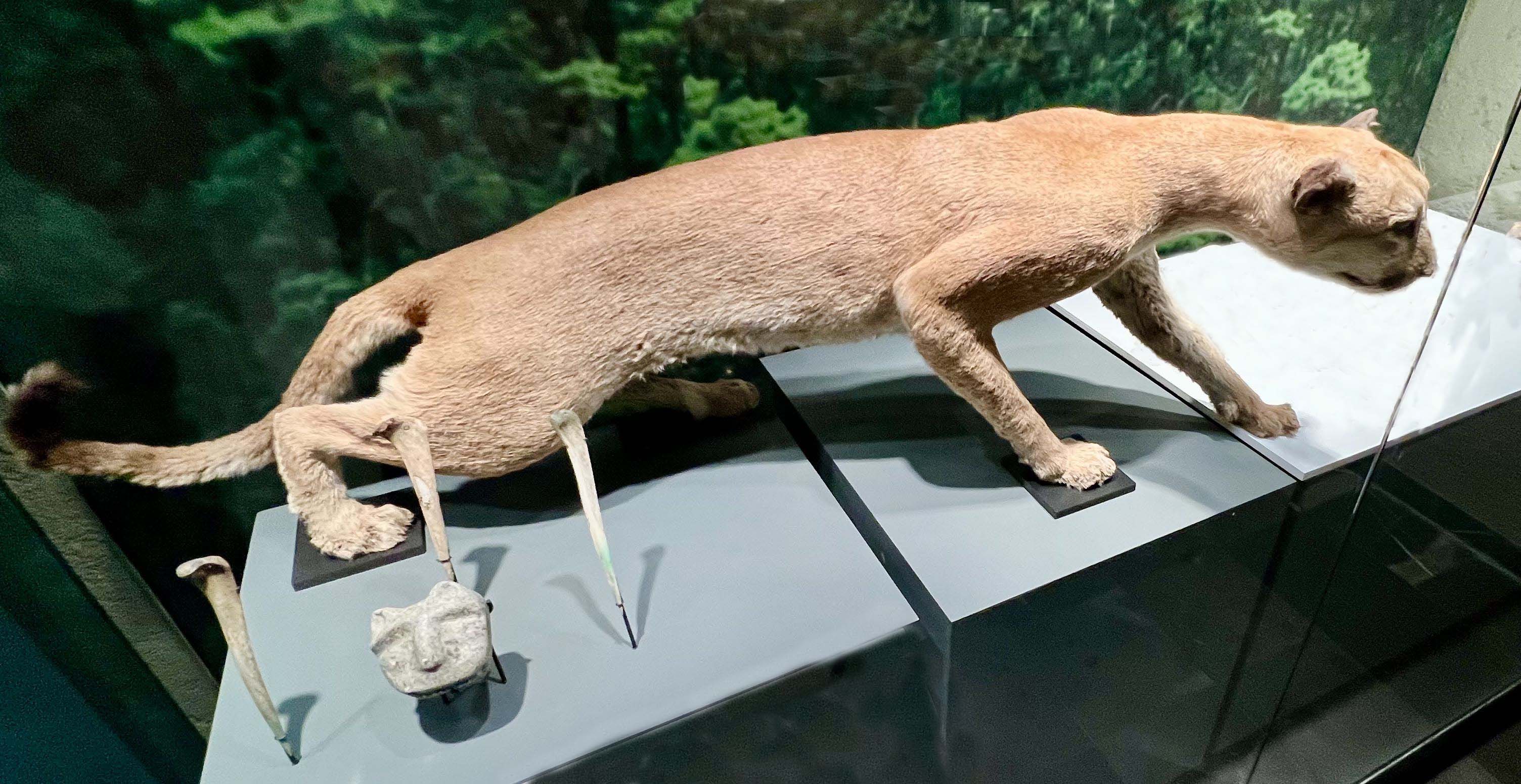
The excavations of the Templo Mayor produced eleven cougars (miztli, in Nahuatl, puma, in Spanish) and two jaguars (ocelotl). Cougars were more abundant within the easy reach of Tenochtitlan than jaguars, which came from distant tropical rainforests. Jaguars figured more prominently, however, in the religion and in warrior culture. Nevertheless, cougars feature prominently in personal names (with at least eleven attestations in the Matrícula de Huexotzinco) as represented in this digital collection. Photograph by Stephanie Wood, Museo del Templo Mayor, Mexico City, 15 February 2023.
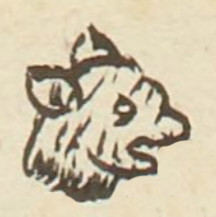
miz(tli), cougar, mountain lion, https://nahuatl.wired-humanities.org/content/miztli
el puma
Matrícula de Huexotzinco, folio 483r, World Digital Library. https://www.loc.gov/resource/gdcwdl.wdl_15282/?sp=45&st=image
This manuscript is hosted by the Library of Congress and the World Digital Library; used here with the Creative Commons, “Attribution-NonCommercial-ShareAlike 3.0 License” (CC-BY-NC-SAq 3.0).