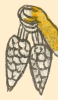
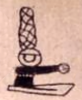
Cemolotl (MH651v)
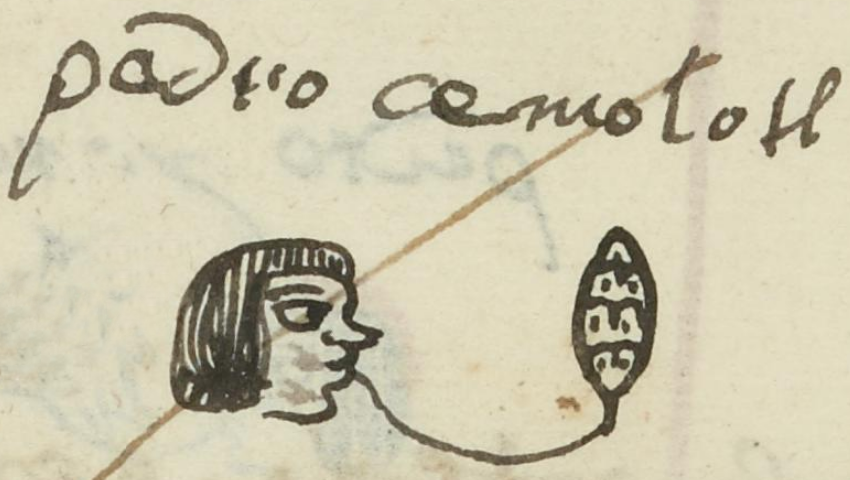
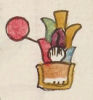
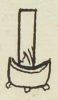
This black-line drawing of the simplex glyph for the personal name Cemolotl ("Dried Ear of Maize") is attested here as a man's name. The glyph shows an upright or vertical corncob with inverted scalloped lines and, within each curved area, a dot. This differs from the cintli or centli in the cob's added dots, which may therefore intend to point to olotl (a dried ear of maize where the kernels have been removed).
Stephanie Wood

pedro cemolotl
Pedro Cemolotl
Stephanie Wood
1560
Jeff Haskett-Wood
números, maíz, leaf shape, nombres de hombres, men’s names
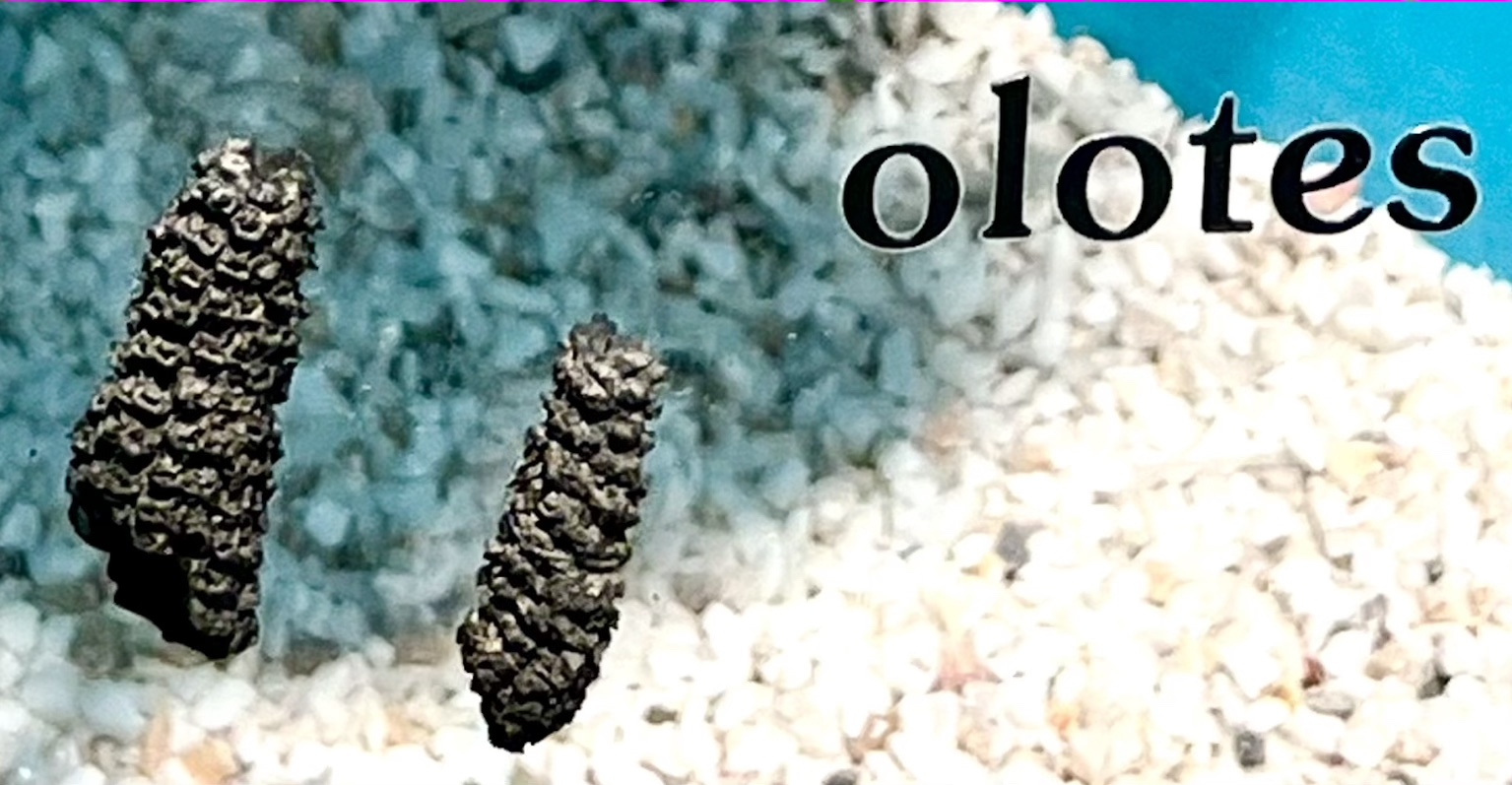
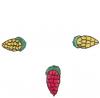
These two, black, dried, corn cobs without their kernels (olotl) came from the excavation of the Templo Mayor, where they are labeled “olotes.” They were sometimes used as counters. Photograph by Stephanie Wood, Museo del Templo Mayor, Mexico City, 15 February 2023.
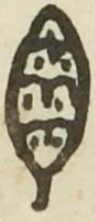
cemolo(tl), a dried ear of maize, https://nahuatl.wired-humanities.org/content/cemolotl
ce, one, https://nahuatl.wired-humanities.org/content/ce
cem, one, or entire one, https://nahuatl.wired-humanities.org/content/ce
olo(tl), a counter, or an ear of corn without the kernels, https://nahuatl.wired-humanities.org/content/olotl
Uno, o Una Mazorca
Stephanie Wood
Matrícula de Huexotzinco, folio 651v, World Digital Library, https://www.loc.gov/resource/gdcwdl.wdl_15282/?sp=385&st=image
This manuscript is hosted by the Library of Congress and the World Digital Library; used here with the Creative Commons, “Attribution-NonCommercial-ShareAlike 3.0 License” (CC-BY-NC-SAq 3.0).