ololiuhqui (FCbk11f129v)
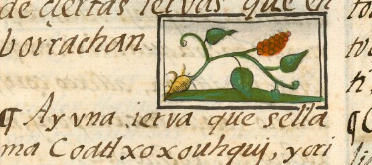
This iconographic example, featuring the hallucinogenic plant called ololiuhqui (also known as coatl xoxouhqui), is included in this digital collection for the purpose of making comparisons with related hieroglyphs. The term selected for this example comes from the text near the image in the Digital Florentine Codex. There is no gloss, per se. This example shows a horizontal vine with green leaves, a yellow tuber above the ground, and a cluster of red berries. All of this sits on top of what appears to be green grass. The landscape setting suggests European artistic influence. Other sources state that it is the seeds that are ingested. Also, ololiuhqui use has religious dimensions and some health benefits.
Stephanie Wood
This is the first example of ololiuhqui in this digital collection (as of November 2025). There are other types of hallucinogens, however, and the Advanced Search, Cultural Content, has a category, “intoxicating drugs, hallucinogens,” which may be of interest. A few examples appear below. The narcotic plant, poyon, interestingly, was a popular men’s name. The DFC also covers peyotl (peyote) on the same page (129v) that it discusses ololiuhqui. Peyote could be worth watching.
Stephanie Wood
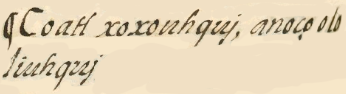
Coatl xoxouhqui, anoço ololiuhqui
coatl xoxouhqui, anozo ololiuhqui
Stephanie Wood
1577
Jeff Haskett-Wood
sustancias tóxicas, alucinógenas, semillas, plantas, cohuatl
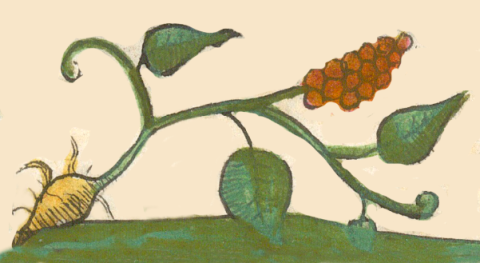
ololiuhqui, a hallucinogenic plant, https://nahuatl.wired-humanities.org/content/ololiuhqui
una planta alucinógena y medicinal
Stephanie Wood
Available at Digital Florentine Codex/Códice Florentino Digital, edited by Kim N. Richter and Alicia Maria Houtrouw, "Book 11: Earthly Things", fol. 129v, Getty Research Institute, 2023. https://florentinecodex.getty.edu/en/book/11/folio/129v/images/0 Accessed 16 November 2025.
Images of the digitized Florentine Codex are made available under the following Creative Commons license: CC BY-NC-ND (Attribution-NonCommercial-NoDerivs 4.0 International). For print-publication quality photos, please contact the Biblioteca Medicea Laurenziana ([email protected]). The Library of Congress has also published this manuscript, using the images of the World Digital Library copy. “The Library of Congress is unaware of any copyright or other restrictions in the World Digital Library Collection. Absent any such restrictions, these materials are free to use and reuse.”